
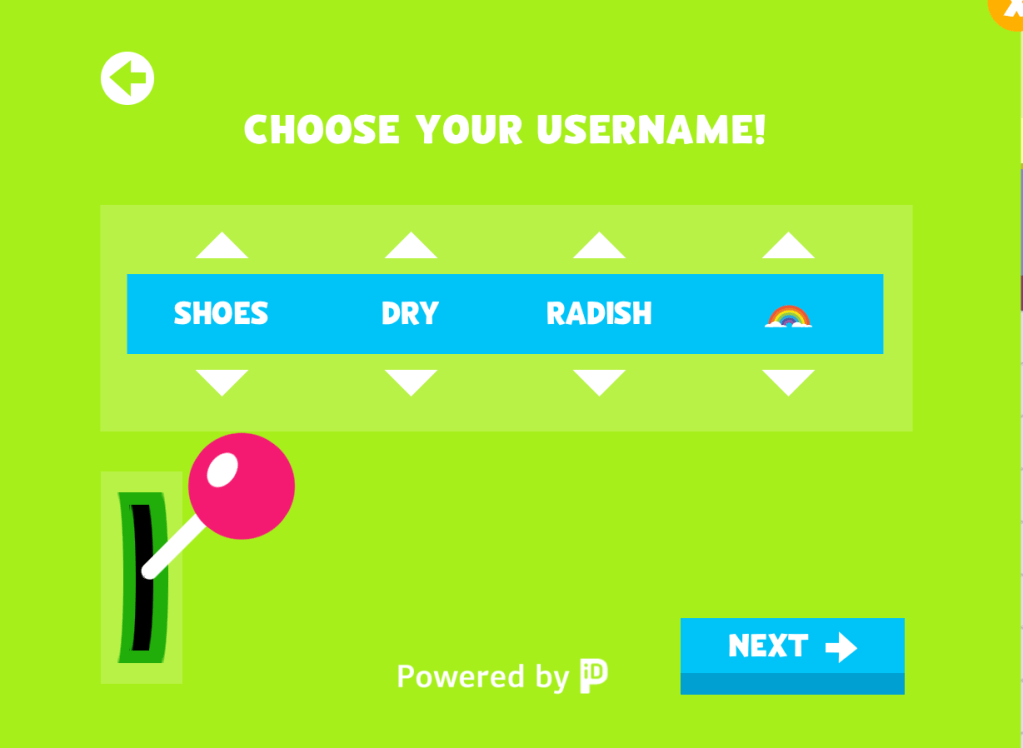
After my initial time playing my video game, I was able to unpack more elements that Hamster Run has to offer to its players. One new aspect that I came across while playing was being able to save the level that you were on so that you do not have to start over each time. Students are able to create a username and passcode through a randomized format in the game. This is a fun twist for the students to be able to see the funny combination of words, in the picture below is the random name and icon that I got. This connects to my last post about how important choice. When students are able to have choice can engage students in deeper, richer learning, and they often display more on-task behavior.
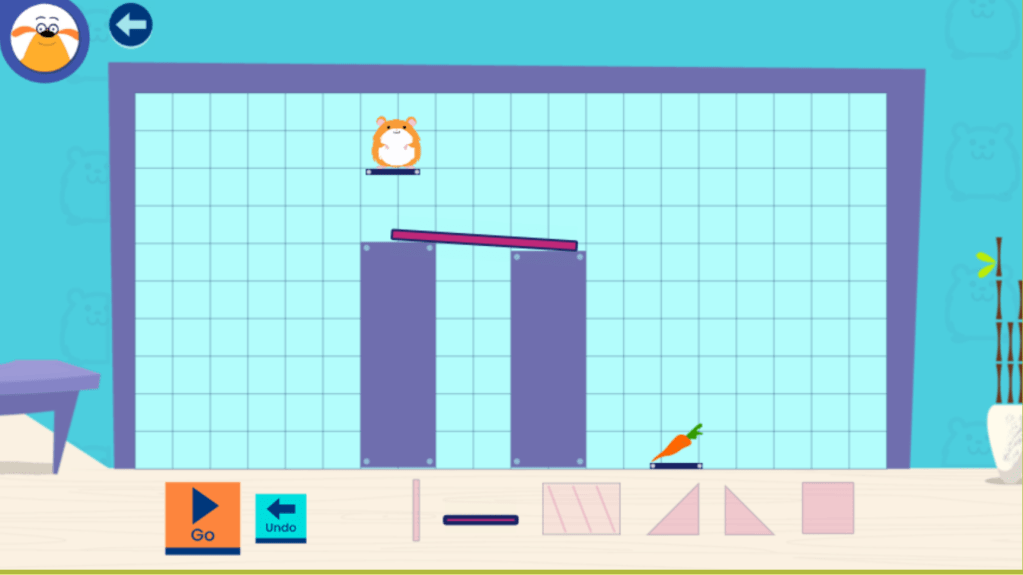
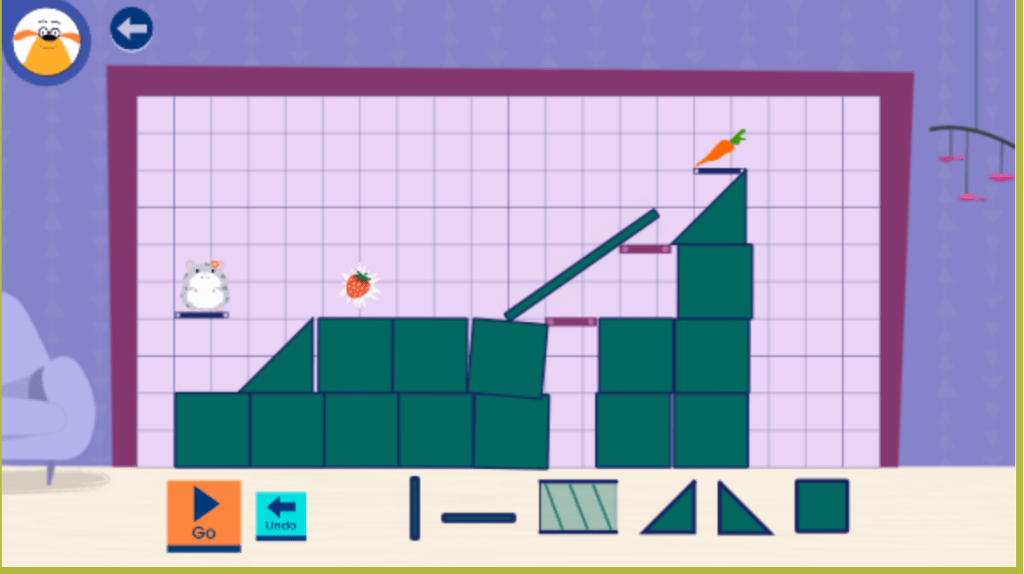
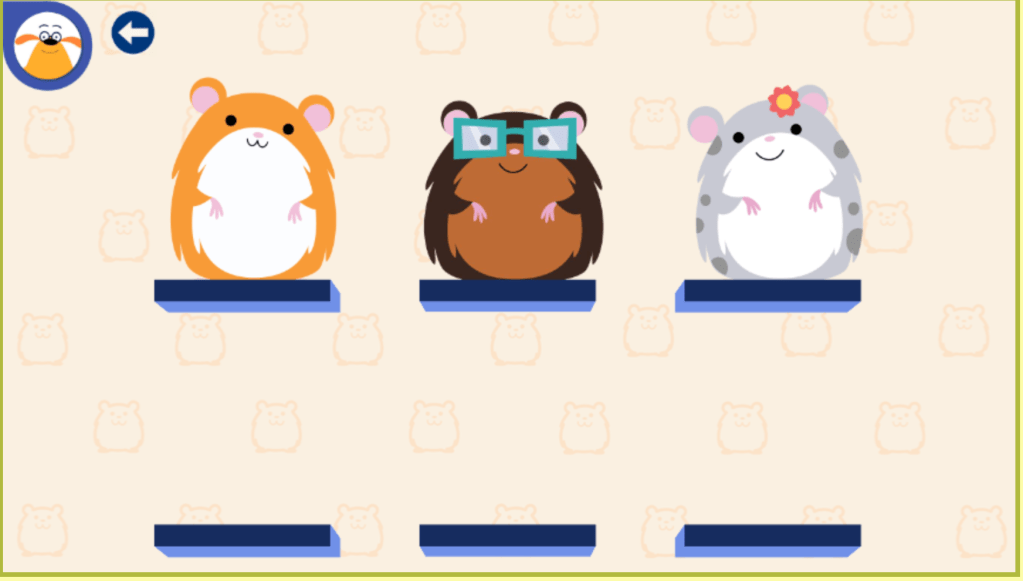
While playing, I was able to level up and unlock the new “puzzle” to create to get the hamster to the carrot. After leveling up, you are able to collect extra food in the game not just the carrot. Leveling up also gives the player the opportunity to collect new hamsters and the ability to use more shapes to make the course. This game and the skills that it allows students to learn and practice connects with the Ohio Technology Standard K-2.DT.2.b.: Demonstrate the ability to follow a simple design process: identify a problem, think about ways to solve the problem, develop possible solutions, and share and evaluate solutions with others. Picture below are different runs that you have to solve to reach the carrot and the new hamster choices that I was able to gain so far in the game.
As I continue to play this game I am able to connect what I am learning in the game to the different readings that we talked about in class. For example, in the Mind Shift article the author talked about “how one bonus of having students serve as play testers is that this role requires them to articulate what makes the game fun, engaging, and meaningful, helping them develop critical thinking and metacognitive skills. Most importantly, student play testers easily transition into game maters, material keepers, and expert “demoers” who can introduce and explain the game to their fellow classmates” (Shapiro et al 5). This is the main example of what we are doing as a class, finding different games, learning to play them and then telling our classmates about the game.
Another connection that can be made between my game and the readings is the idea of affordances that video games offer the students. An affordance is a feature of the world that will allow for a certain action to be taken, but only if it is matched by an ability in an actor who has the wherewithal to carry out such an action. Affordances are relationships between the world and actors. Each video game is about affordances and how the player must learn to see the game world. In this game some of the affordances include building with different shapes to see what works and what does not. Another affordance is using critical thinking to collect the carrots. Both of these affordances can be carried to real life situations. Every player will learn to see the world of each different game that they play in a different way. In each case you see the world in terms of how it will afford the sorts of embodied actions you need to accomplish you goals.
So far in Hamster Run, I am able to work through each level gaining access to more levels and new hamsters. This games offers new challenges that students are able to work through and complete. It also offers many different affordances that can be connected directly to Ohio standards.
 Miah's Education Technology Blog