
After completing all the levels on my game, I was able to learn about how each student gets the chance to tap into their creativity to build a maze for the hamster to reach the carrot. Once you have completed all the levels you unlock all six of the hamsters and can move onto creating your own mazes with all the shapes and extra fruit that you have collected on the way. This game can be incorporate it in their daily classroom through its interactive levels. Parents and educators can take the time to focus their attention on the benefits of electronics and video games to help children develop tools that will assist them in learning.
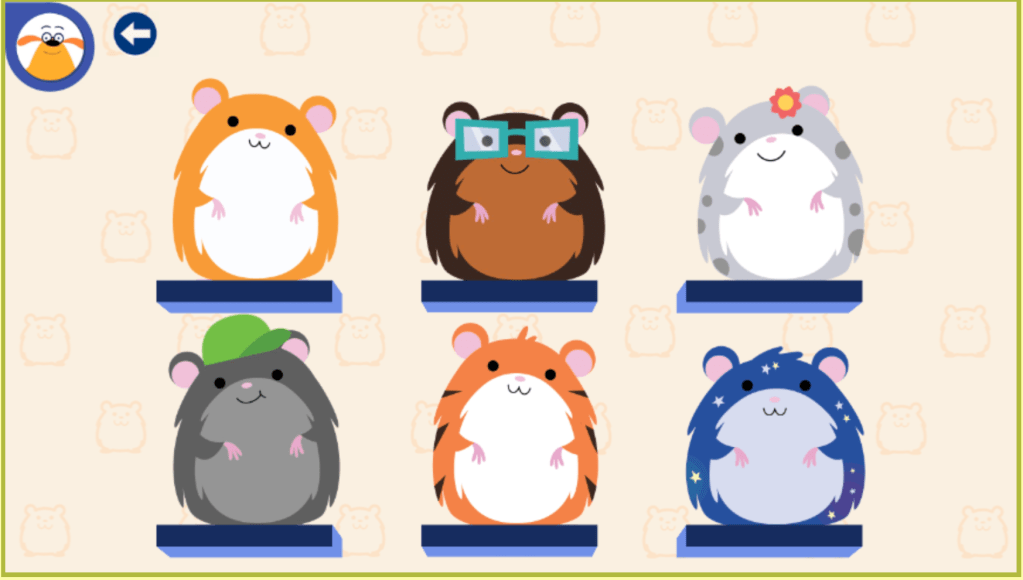
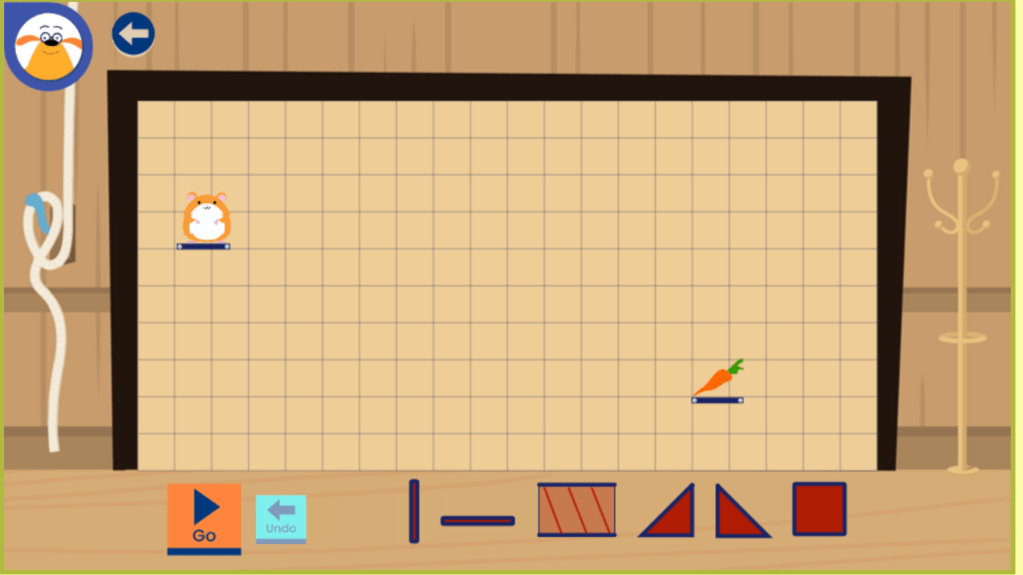
As I played The Hamster Run game, I was able to understand how I could begin to use this in my future classroom. One initial thing that I thought was helpful about this game was how well it could benefit the younger grades like K-2, just as much as the older grades like 3-5. A strand that I could assess the student on while working with on this game could be their way to demonstrate the ability to follow simple design process: identify possible solutions and share and evaluate solutions with others (K-2.DT.2.b). This can be shown through the game when the students are using their problem-solving skills to come up with different solutions on how to get the hamster to reach the carrot on every level. For example, students need to think about what shapes would work best to use together to reach the carrot without the hamster falling or getting stuck on the course.

Once the students place the shapes where they should go in order for the hamster reach the carrot, the students presses “go” and the hamster will run the path that the students made for it.
This game is appropriate for the grade levels because the students are able to learn about different shapes. Each shape, cylinders, cubes, triangles, and rectangles could all be used in a K-2 lesson plan. Students could work with the different shapes to come up with what is similar and what is different about each shape. This game could always be used in a third-fifth grade lesson plans. For the older students the teacher could have the students design a possible solution for a level. Then they could work with a partner to compare and discuss their solutions. As a bonus or even a challenge the students or even the teacher could use the create mode to have the students solve a certain run.
To conclude this game is developmentally appropriate for different grades and ages. It can be implemented in the classroom to be used for all type of learners. Each learner gets a chance tap into their creativity to solve the maze. No matter the level of the student each student are able to gain educational benefits when they play this game.
In our reading of Mind Shift by Jordan Shapiro, the author said “The best learning games tach in the same way good teachers teach: They don’t trick students into being interested, they help students find genuine excitement in learning a subject” (Shapiro 20). After playing the Ruff Ruffman Show: Hamster Run game, I can conclude that this game does not trick the students into being interested. Instead, it draws on the children’s interests of being able to build, configure and maybe even challenge their classmates, while also addressing different type of educational standards. This game helps the students to find genuine excitement in learning about identifying possible solutions and sharing and evaluating solutions with others
 Miah's Education Technology Blog